
Anyone who grew up in the rural American South knows pokeweed on sight. It shoots up along fence lines and ditch banks every summer, thick magenta stalks holding up drooping clusters of berries so darkly purple they stain anything they touch. Grandmothers boiled the young spring greens through three changes of water before daring to serve them, and children were warned away from the berries with the kind of seriousness usually reserved for snakes. Poke is a plant that has always demanded respect, and that is precisely why it has held such a durable place in traditional American herbalism.
The Herb Reserved for Moving What’s Stuck
In the old physiomedicalist and Eclectic traditions of the nineteenth century, poke root earned a reputation as one of the great lymphatic herbs. Practitioners of that era reached for it when they saw congestion in the glandular system, describing it as an herb for swollen, tender, stagnant tissue that other remedies couldn’t seem to reach. Native American communities had used the plant medicinally long before those doctors wrote their materia medicas, and the knowledge passed through generations of folk practice in Appalachia and beyond.
That lymphatic reputation is why poke root still comes up today in conversations about tender, congested breast tissue. Traditional herbalists have long included it, in very small amounts, in protocols for plugged ducts and mastitis, always alongside the fundamentals of rest, heat, and frequent emptying of the breast. You may also see it mentioned in older texts for swollen lymph nodes and sluggish immune response during lingering infections. These are traditional uses rather than clinically proven ones, and any herbalist worth trusting will say so plainly.
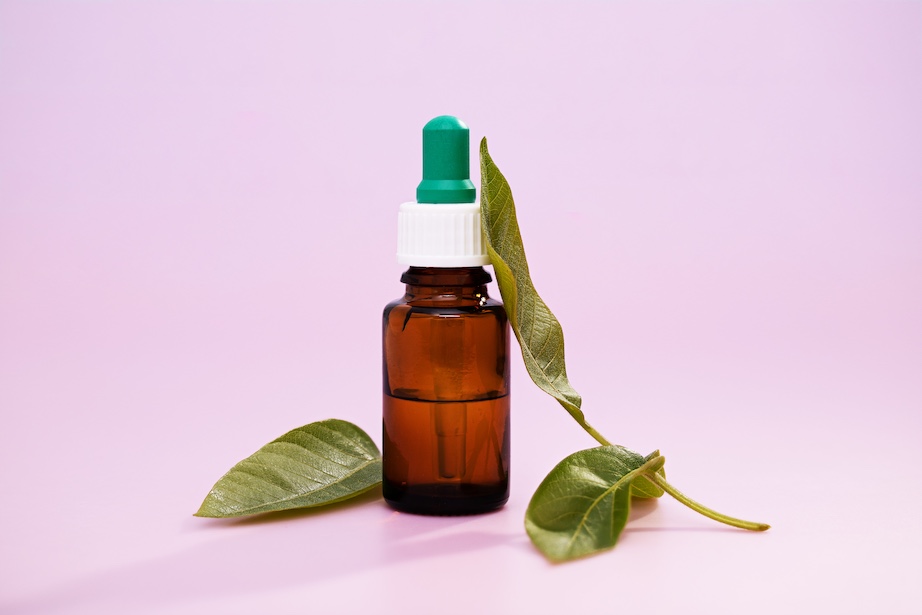
Why This Bottle Speaks in Drops, Not Dropperfuls
Poke belongs to a small category herbalists call low-dose botanicals, and the label deserves your full attention. The raw plant is genuinely toxic. Every part of mature pokeweed, from root to berry, contains compounds that can cause severe digestive distress and worse, which is why those grandmothers boiled their greens so obsessively and why nobody forages this root casually. Traditional practice works with amounts measured in single drops, and even then only for short periods and under knowledgeable guidance.
This is a plant where professional preparation makes all the difference. A carefully made poke root tincture from an experienced producer offers exact, repeatable potency in a form that allows for the tiny, conservative amounts the tradition calls for. Home preparations of poke, by contrast, have no reliable way to control strength, and the margin for error with this particular root is unusually slim. If ever an herb argued for buying from people who have spent decades getting the process right, poke is that herb.
Many practitioners sidestep internal use altogether and apply the diluted tincture externally over congested tissue, an approach with its own long history in the folk record. Whichever route a practitioner suggests, the guiding principle stays the same. With poke, less is the entire point.
Who Should Leave This One on the Shelf
Poke root is emphatically an adults-only, guidance-only herb. It is traditionally avoided during pregnancy, and nursing mothers considering it for mastitis support should work directly with an experienced herbalist or lactation professional rather than experimenting alone, since opinions within the herbal community differ on its use while breastfeeding. Keep it well away from children, and treat any signs of digestive upset as your cue to stop immediately. Mastitis itself can turn serious quickly, so a fever that climbs or symptoms that worsen past a day or so belong in front of a medical provider, whatever else you’re doing.
None of this diminishes the herb. It simply places poke where tradition always kept it, in the hands of people who understand it, at doses that honor its strength.
An Old Plant That Never Learned to Be Tame
Most herbs in the modern apothecary have been softened by familiarity. Chamomile and peppermint ask nothing of you. Poke root belongs to a different lineage, the small circle of plants that remained wild and formidable even as they became medicine.
Approached carelessly, it will remind you why the grandmothers boiled it three times, but approached with knowledge, preparation, and appropriate humility, it carries forward one of the oldest lymphatic traditions in American herbalism. Some plants earn their keep by being gentle. Poke earned its place by being powerful and by teaching every generation that handles it the same enduring lesson about respect.
Disclaimer: This article is for educational purposes only and reflects traditional herbal use. It is not medical advice and is not a substitute for guidance from a qualified healthcare provider. These statements have not been evaluated by the Food and Drug Administration, and this product is not intended to diagnose, treat, cure, or prevent any disease.
Image by wirestock on Magnific
Contributed posts are advertisements written by third parties who have paid Woman Around Town for publication.