Wellness is no longer built around isolated habits. Instead, it is becoming a combination of routines that support both physical and mental well-being in a consistent, sustainable way. From skincare to stress management, people are looking for approaches that fit naturally into their daily lives without feeling overly complex or time-consuming. This shift reflects a broader understanding that long-term results come from habits that can be maintained, not just from occasional effort.
At the same time, access to information has changed how individuals approach these routines. Rather than relying on trends, many are focusing on understanding how different elements work together. This creates a more balanced approach to wellness, where skincare, recovery, and lifestyle choices are aligned rather than treated separately.
Skincare Ingredients Are Becoming Part of Daily Wellness Conversations
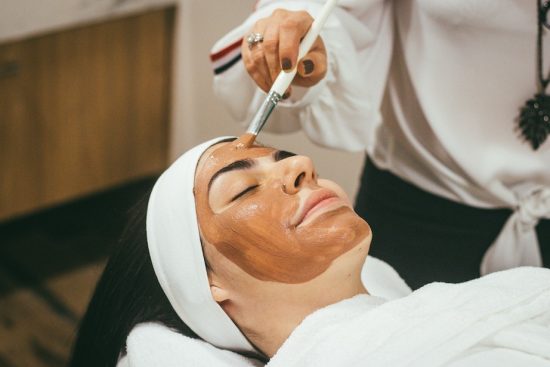
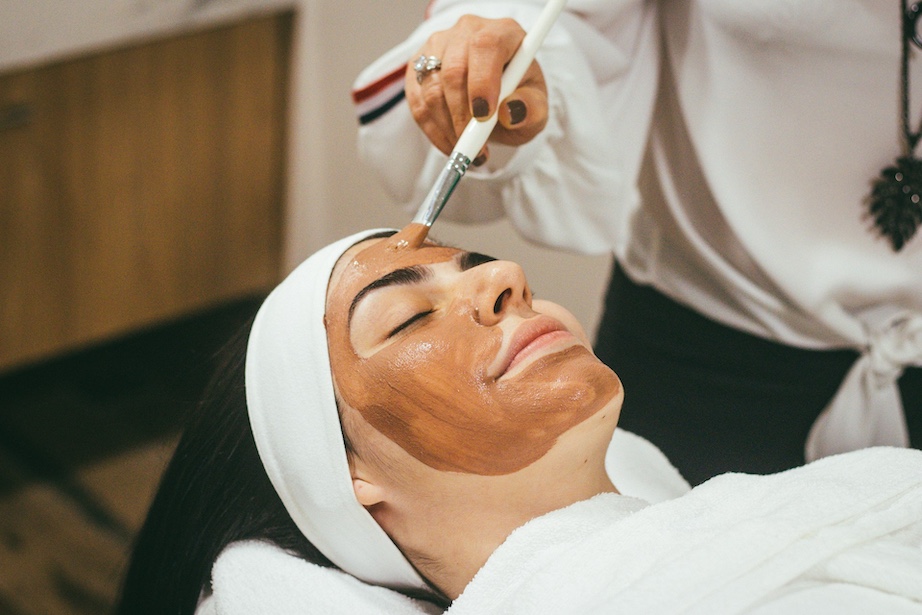
Skincare is increasingly discussed in the same context as overall wellness. Instead of focusing only on appearance, people are considering how ingredients support the skin’s natural processes and contribute to long-term health. This includes a growing interest in peptides and how they interact with collagen production, repair mechanisms, and skin resilience over time.
Understanding the difference between compounds such as ahk cu vs ghk cu makes it easier to see how specific formulations fit into a routine. Rather than choosing products based on general claims, individuals can build routines around how ingredients actually function, which leads to more consistent and predictable outcomes.
Lifestyle Products Are Supporting Everyday Stress and Recovery Needs
Beyond skincare, wellness routines are expanding to include products that support relaxation, focus, and recovery. These additions are not meant to replace core habits but to complement them, creating a more balanced daily experience. In fast-paced environments, small adjustments that support calm and focus can have a meaningful impact over time.
In that space, Neurogan fits into routines that prioritize both mental clarity and physical relaxation. The appeal comes from how easily these types of products integrate into existing habits, supporting well-being without requiring significant changes to daily structure.
Consistency Is Replacing Complexity in Wellness Routines
One of the most noticeable shifts in wellness is the move away from overly complex routines. Instead of layering multiple steps that are difficult to maintain, people are simplifying their approach and focusing on consistency. This applies to skincare, nutrition, and lifestyle habits alike.
Consistency creates a foundation for long-term results. When routines are manageable, they are more likely to be followed regularly, which ultimately determines their effectiveness. This approach also reduces the likelihood of abandoning routines due to time constraints or lack of clarity.
Scientific Awareness Is Changing How People Choose Products
As more information becomes available, individuals are becoming more selective in how they choose products. This includes a greater focus on ingredient function, formulation quality, and how products interact with the body over time. The emphasis is shifting from marketing claims to evidence-based understanding.
According to the National Institutes of Health (NIH), supporting the body’s natural processes is a key factor in maintaining overall health. This perspective aligns with the growing preference for products that work in harmony with biological systems rather than attempting to override them.
Personalization Is Driving Better Long-Term Results
Wellness is becoming more personalized, with individuals tailoring routines based on their specific needs, preferences, and lifestyles. This approach allows for more targeted and effective results, as routines are built around what actually works for each person.
Personalization also encourages ongoing adjustment. As needs change, routines can evolve, ensuring that they remain relevant and effective over time. This flexibility is essential for maintaining long-term engagement.
Daily Habits Are Connecting Physical and Mental Well-Being
The connection between physical and mental health is becoming more widely recognized. Skincare, relaxation, and lifestyle choices all contribute to overall well-being, and these elements are increasingly being viewed as interconnected.
By integrating these aspects into a single routine, individuals can create a more cohesive approach to wellness. This not only improves results but also makes routines feel more natural and sustainable.
Simplicity Is Becoming a Defining Feature of Modern Wellness
Modern wellness is moving toward simplicity, where routines are designed to be effective without being overwhelming. This shift reflects a deeper understanding that long-term success depends on habits that are easy to maintain.
Simpler routines allow individuals to focus on what matters most, reducing unnecessary complexity while still supporting meaningful results. This balance between simplicity and effectiveness is shaping the future of wellness practices.
A More Integrated Approach to Everyday Well-Being
The combination of skincare science and lifestyle habits reflects a broader move toward integration. Rather than treating each element separately, individuals are building routines that support multiple aspects of well-being at once.
As this approach continues to evolve, wellness will become less about individual products and more about how those products fit into a larger system. The focus will remain on creating routines that are consistent, adaptable, and aligned with long-term goals.
Photo by Rosa Rafael on Unsplash
Contributed posts are advertisements written by third parties who have paid Woman Around Town for publication.