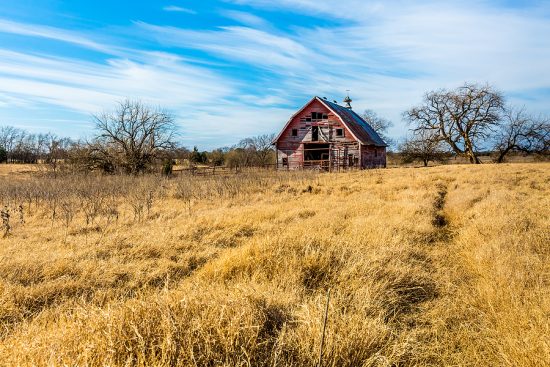
The traditional ‘back porch’ is in danger of becoming a memory.
As we march into 2026, the back porch of old has turned into the ‘Great Outdoor Room’ (tah da). Since COVID, people are spending more time at home and really want to create something special in their outdoor spaces, so they LIKE staying at home.
These special outdoor living spaces still demand careful material curation and creative architecture, plus some really solid engineering, as this is now basically an extension of your interior.
For those who want to change how they live, here are the five architectural trends that are the definition of the modern outdoor room.
Seamless Biophilic Transitions
The modern outdoor room wants the inside-out effect to be its first priority.
Modern architects are relying more and more on level-entry thresholds and multi-panel sliding glass walls that vanish into pocket recesses (they basically hide in the walls). This makes for a nicer, smoother transition from one room to the other, or from the inside to the outside.
So what you can do is run something like porcelain pavers or something like UV-resistant composite decking, and have it run from the kitchen straight to the outside.
And it won’t break the flow; it’ll look natural and uniform. If you go a step further and try imitating the texture and the same color palette (at least complementary), then you’ll have your outsides look like a true extension of your interior living space.
Zoned Multi-Level Engineering
Advanced designs for 2026 have emerged, and they are moving past the monolithic, single-plane deck to multi-levels with assigned zones.
By building up several levels, designers construct ‘rooms without walls’.
- The Upper Tier: Most often, the food center, closest to the indoor kitchen.
- The Mid-Tier: Serves as the social center, usually with a formal dining area sheltered from the wind.
- The Lower Tier: This is basically the ‘wellness retreat’ (e.g., fire pit, sauna, plus a cold plunge, jacuzzi, working out section, etc.).
The Integrated Food Theater
Outdoor cooking used to be pretty much a grill and… well, that’s it. Just the grill. Today, we have full-blown outdoor kitchens, we have pizza ovens, we have a dedicated sushi bar, etc., etc.
It’s a bit all over the place.
The 2026 standard includes integrated masonry islands topped with sintered stone or Dekton countertops for a matte industrial finish that withstands extreme weather. This zone is not only for throwing burgers onto the grill, but is also equipped with teppanyaki flat tops, wood-fired pizza ovens, and high-CFM range hoods to make sure smoke does not stop the social stream.
The Regional Craftsmanship Factor
Such design changes, while focusing on aesthetics, should not lose sight entirely of regional structural integrity.
For example, in the complex structures of Middle Tennessee, the structure isn’t simply a platform; it’s a piece of engineering that needs to take into account factors such as soil drainage and a humid climate.
But also – bugs.
So, a custom deck builder that Lakewood TN residents would hire will always recommend a screened -in porch because dealing with insects in the evenings could prove to be a huge pain (especially mosquitoes). But if you’re in, say,Murfreesboro, Tennessee, then it really depends, but you won’t have nearly as many bugs bothering you.
To construct these ‘great rooms’ with the heavy-duty framing and moisture-resistant materials, you’ll need a local builder because they know exactly what you’re up against.
Localized proficiency for this type allows you to add on large masonry fireplaces and heavy stone countertops that traditional DIY decks just wouldn’t offer.
Bio-Climatic Roof Systems
Fixed roofs have been replaced by bio-climatic louvered systems to keep the outdoor room functional 365 days a year.
These motorized aluminum pergolas feature slats that rotate to filter sunlight, open to allow ventilation, or seal entirely, letting rainwater out into an internal gutter system. Smart sensors in the roofs let them close at the first sign of rain, protecting high-end outdoor electronics and upholstery.
Layered ‘Dark Mode’ Aesthetic
The modern aesthetic is moving away from all the tans, browns, and greens from the past decade. Trends are leaning more to dark charcoal-stained woods, black powder-coated steel railings, and bronze-toned lighting fixtures.
This ‘Dark Mode’ combines drama, sophistication, and a moody atmosphere.
It makes nature’s colors pop with extra intensity, and strategically placed LED strip lighting under stairways and handrails helps to keep the architectural lines sharply visible post-sunset.
Conclusion
An old rocking chair and a cup of iced tea, watching the world go by, has its merits, but life offers different kinds of peace and relaxation to the new generation, who are always looking for more.
In 2026, the line has virtually been erased between nature and architecture. With their focus on seamless transitions, multi-level zones, and resilient craftsmanship, these trends show that the modern outdoor space is no longer a seasonal luxury; it’s a permanent way of life.
Creating a private haven that balances what nature has to offer with modern architecture trends in extending your indoor living to the outdoors is not just a feature of the house; it’s the heart of the home.
Contributed posts are advertisements written by third parties who have paid Woman Around Town for publication.