

Working from home has changed how people think about comfort, productivity, and balance. A remote workday does not begin and end with opening a laptop. It depends heavily on the environment around you. Lighting, temperature, noise, and layout all shape how focused and energized you feel.
In Grand Rapids, winters add another layer to that challenge. Cold temperatures and shorter days mean you need more than just a desk and a comfortable chair. You need a space that feels warm, welcoming, and supportive throughout long work hours.
This article explores practical, must-have improvements that help remote workers upgrade both their workspace and daily routine.
Designating a Dedicated Workspace That Encourages Focus
A dedicated workspace sets the foundation for a productive remote workday. When work spills into areas meant for rest or relaxation, focus becomes harder to maintain. Creating a defined work zone helps your mind shift into work mode and stay there during the day. This space does not need to be large, but it should feel intentional. A quiet corner, a spare room, or even a well-arranged nook can work if it stays consistent. Keeping this area reserved for work tasks also makes it easier to disconnect at the end of the day, which supports better balance and mental clarity.
Upgrading Your Windows for Light, Comfort, and Efficiency
Natural light plays a major role in how comfortable and alert you feel while working from home. Older or poorly installed windows can limit sunlight, create drafts, and make it harder to maintain a steady indoor temperature. Moreover, in Grand Rapids, where winters bring cold air and shorter days, modern windows help keep your workspace brighter and cozier. They allow more daylight in while reducing heat loss, which supports both comfort and energy efficiency. Hiring expert window contractors in Grand Rapids is necessary for replacements and installations because proper fitting ensures long-term performance. Quality work prevents gaps, drafts, and moisture issues that can distract you during the workday.
Investing in Ergonomic Furniture That Supports Long Hours
Remote workers often spend several hours seated, which makes proper furniture a necessity rather than a luxury. An ergonomic chair supports your back, neck, and shoulders, reducing discomfort that builds up over time. The right desk height also matters, as it allows your arms and wrists to stay in a neutral position. Furniture that supports your body helps you stay focused longer and reduces the need for frequent breaks caused by discomfort. Over time, this investment can improve both productivity and overall well-being.
Improving Lighting to Reduce Eye Strain and Boost Energy
Even with good windows, lighting still needs attention. Poor lighting can cause eye strain, headaches, and fatigue, especially during long screen-heavy days. A combination of ambient lighting and task lighting works best. Overhead lights provide general brightness, while desk lamps offer focused illumination where you need it most. Adjustable lighting allows you to adapt to changing conditions throughout the day.
Ultimately, good lighting keeps your workspace comfortable and helps maintain steady energy levels.
Enhancing Temperature Control for Year-Round Comfort
Temperature plays a quiet but powerful role in your ability to concentrate. Spaces that feel too cold or too warm can distract you and break focus. Improving temperature control creates a more stable environment where you can work comfortably for longer periods. Smart thermostats, space zoning, and proper insulation help regulate indoor conditions without constant adjustments. When your workspace stays comfortable, your attention stays on your work instead of the thermostat.
Managing Noise Levels to Minimize Distractions
Noise distractions can disrupt focus quickly, especially during calls or tasks that require deep concentration. Household sounds, street activity, or shared living spaces often make it hard to maintain a steady workflow. Managing noise does not always require major renovations. Soft furnishings like rugs, curtains, and upholstered furniture help absorb sound and reduce echo. Sealing small gaps around doors also limits noise from other rooms.
Creating a quieter environment allows you to stay engaged with your work without constant interruptions pulling your attention away.
Strengthening Internet and Technology Infrastructure
Reliable technology forms the backbone of remote work. An unstable internet connection can slow progress and create unnecessary stress during meetings or deadlines. Positioning your router closer to your workspace or using a wired connection can improve stability. Updating outdated equipment also supports smoother daily operations. When your technology runs reliably, you can focus on tasks instead of troubleshooting issues. A dependable setup supports efficiency and keeps your workday moving without avoidable delays.
Adding Storage Solutions to Keep Your Space Organized
A cluttered workspace often leads to a cluttered mindset. When papers, devices, and supplies lack proper storage, distractions increase. Thoughtful storage solutions help maintain order without overwhelming your space. Shelving, drawers, or cabinets keep work materials accessible while maintaining a clean appearance. Organized spaces make it easier to find what you need and reduce time wasted searching for items. A tidy environment supports clearer thinking and smoother transitions between tasks.
Incorporating Personal Comfort Features Without Distraction
Comfort matters, but balance is key. Personal touches can make a workspace feel welcoming without pulling focus away from work. Adding soft textures, supportive seating, or subtle décor helps create a space you enjoy spending time in. The goal is to enhance comfort without turning your office into a place meant for rest. When personal comfort features feel intentional, they support productivity rather than interrupt it.
Building Daily Routines That Work With Your Upgraded Space
An improved workspace works best when paired with consistent routines. Starting and ending your workday at set times helps reinforce boundaries. Taking short breaks, stretching, and adjusting posture throughout the day keeps your energy steady. When your space supports these habits, routines feel easier to maintain.
A well-designed environment encourages movement, focus, and healthier work patterns without forcing change.
A thoughtfully upgraded workspace influences how you approach each workday. When your environment supports focus, comfort, and reliability, it becomes easier to stay engaged and motivated. These improvements create a sense of control over your daily routine and reduce unnecessary stress. Over time, a well-adjusted home office shapes not just how you work, but how you feel about your work.
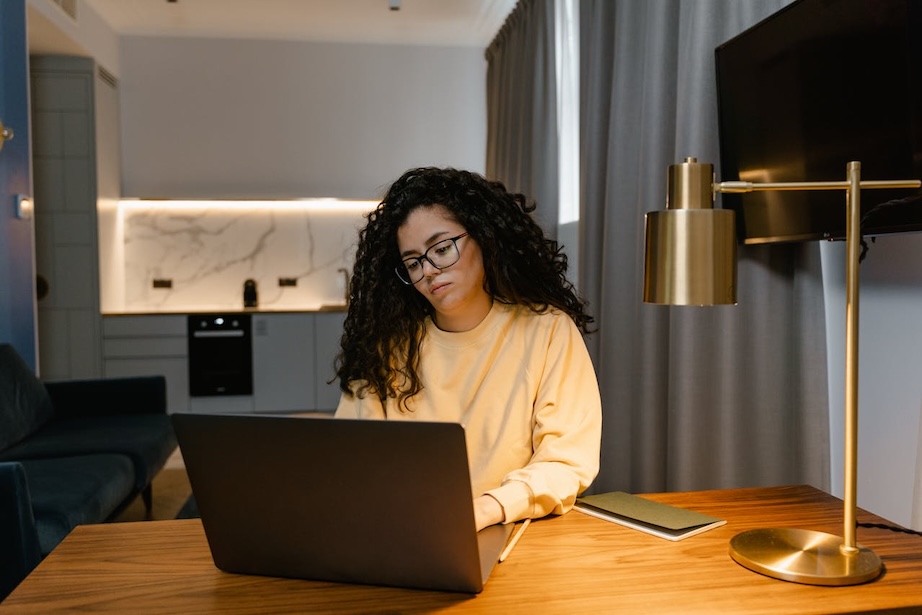
Photo by MART PRODUCTION at pexels.com :
Contributed posts are advertisements written by third parties who have paid Woman Around Town for publication.