Your hair color consultation sets the foundation for your entire coloring experience. This is the roadmap that guides both you and your stylist toward achieving your dream hair. When you ask thoughtful questions during your color consultation, you’re investing in better results and protecting your hair’s health.
The key to a successful hair dye consultation lies in understanding what information you need before making any commitments. Your stylist should welcome your questions – after all, they want you to leave the salon feeling confident and beautiful. Let’s walk through the most important questions that will help you make informed decisions about your hair transformation.
What Is the Current Condition of My Hair and How Will Coloring Affect It?
Your hair’s current health determines everything about your coloring process. When you ask about your hair’s condition, your stylist will assess three key factors: porosity, elasticity, and existing damage. Hair porosity refers to how well your strands absorb and retain moisture, while elasticity measures how much your hair can stretch without breaking. As Kristen, the owner and a stylist at Vibrant Salon in Fredericton, often reminds clients, “the condition of your hair is the foundation of any color, without understanding it, we can’t safely achieve the result you’re dreaming of.”
These factors directly influence how your hair responds to coloring chemicals. High porosity hair absorbs color quickly but may fade faster, while low porosity hair resists color penetration. If your hair shows signs of damage from previous treatments or heat styling, the coloring process becomes more complex and requires extra care.
Your stylist might recommend bond-building treatments like Olaplex to minimize damage during the coloring process. These products work by reconnecting broken hair bonds, helping maintain your hair’s integrity throughout chemical processing. Understanding your hair’s condition helps set realistic expectations for your color results.
How Much Lightening or Lift Is Needed to Achieve My Desired Color?
Understanding “lift” in hair coloring helps you grasp what’s possible with your current hair color. Lift refers to how much natural pigment needs removal from your hair to achieve lighter shades. The darker your starting color, the more lift required to reach blonde or vibrant fashion colors.
Your hair’s health and previous chemical treatments create technical limits for safe lightening. Healthy virgin hair can typically handle more lift than previously colored or chemically treated hair. Your stylist should explain these limitations honestly to prevent severe damage or breakage during the process.
Some dramatic color changes require multiple appointments spaced weeks apart. This approach protects your hair’s integrity while gradually achieving your desired shade. Rushing the process often leads to damaged, compromised hair that won’t hold color properly or look healthy.
What Maintenance and Home Care Will I Need for My New Hair Color?
Different hair colors demand varying levels of maintenance commitment. Vivid fashion colors like pink or blue typically fade within 4-6 weeks and require frequent touch-ups. Cool-toned blonde shades need regular toning treatments to prevent brassiness, while natural-looking highlights may last 8-12 weeks between appointments.
Your at-home care routine significantly impacts your color’s longevity. Color-safe shampoos and conditioners contain gentler cleansing agents that won’t strip your new color. Purple or blue-tinted shampoos help maintain blonde and silver tones by neutralizing unwanted warm undertones between salon visits.
Plan your appointment schedule based on your color choice and lifestyle. Root touch-ups for all-over color typically happen every 4-6 weeks, while glossing treatments refresh your color’s vibrancy every 6-8 weeks. Understanding these timelines helps you budget both time and money for proper color maintenance.
What Coloring Techniques Are You Planning to Use on My Hair?
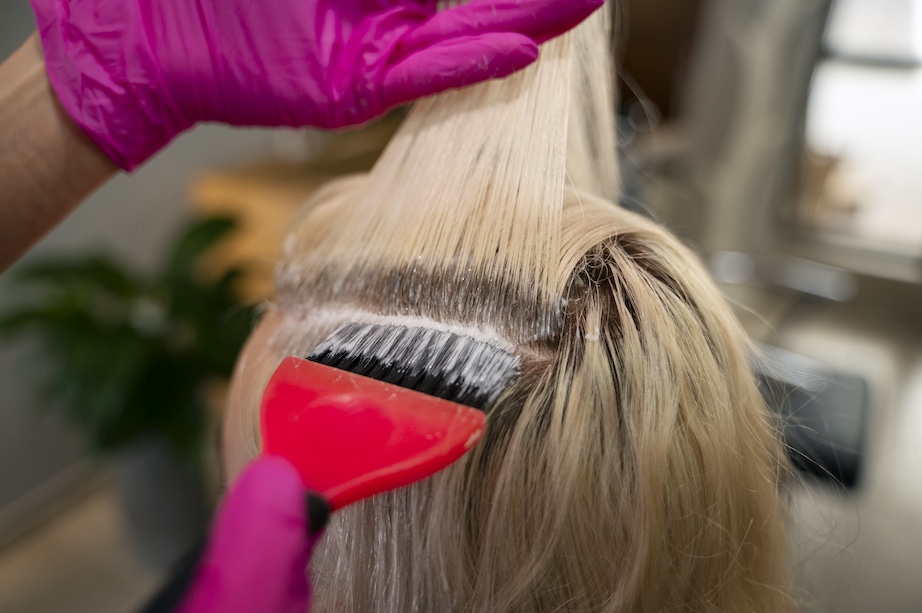
Each coloring technique creates different effects and maintenance requirements. Balayage offers a natural, sun-kissed look with softer grow-out patterns, while traditional foil highlights provide more precise, uniform lightening. Single-process color covers your entire head with one shade, perfect for dramatic changes or gray coverage.
The technique your stylist chooses affects how your color grows out and how often you’ll need touch-ups. Balayage and ombre techniques typically require less frequent maintenance because they create gradual color transitions. Full foil highlights show regrowth more obviously and need regular root touch-ups.
Make sure your stylist’s vision aligns with your expectations and lifestyle. If you prefer low-maintenance color, techniques like balayage or subtle highlights work better than all-over bleaching or vivid fashion colors. Discuss your daily styling routine and maintenance preferences to choose the best approach.
What Is the Total Estimated Cost of the Hair Coloring Service?
Hair coloring costs vary significantly based on several factors. The complexity of your desired look, your hair’s length and thickness, and necessary add-on services all influence the final price. Simple root touch-ups cost less than full-head highlighting or dramatic color changes requiring multiple processes.
Additional services like toners, bond-building treatments, and deep conditioning masks add to your total cost but often improve your results. Toners refine your color and add shine, while bond-builders protect your hair during chemical processing. These extras represent investments in your hair’s health and color quality.
Be upfront about your budget during your hair dye consultation. Your stylist can suggest alternatives or phase your color transformation over multiple appointments to work within your financial constraints. Transparency about costs prevents surprises and helps you make informed decisions about your hair investment.
How Long Will the Hair Coloring Process Take?
Time requirements vary dramatically between different coloring services. A simple gloss or toner might take 45 minutes to an hour, while extensive color changes involving bleaching and multiple processes can require 4-6 hours or more. Complex techniques like full-head foiling or corrective color work demand significant time investments.
Your stylist should provide realistic time estimates during your color consultation. Rushing through color services often leads to uneven results or hair damage. Proper processing time ensures your color develops correctly and looks its best when you leave the salon.
Schedule your appointment with buffer time, especially for major color changes. Bring entertainment like books or download movies to your phone for longer sessions. Understanding the time commitment helps you plan your day and ensures you’re not stressed about other obligations during your service.
Are There Any Risks or Potential Effects from Hair Coloring?
Hair coloring involves chemical processes that can cause allergic reactions or scalp sensitivity in some people. Common reactions include itching, burning, swelling, or redness around the hairline and scalp. These reactions can range from mild irritation to severe allergic responses requiring medical attention.
Patch testing becomes important when trying new color brands or formulations. Your stylist should apply a small amount of color behind your ear 24-48 hours before your appointment to check for reactions. This simple test can prevent serious allergic responses during your full coloring service.
If you experience unexpected reactions or aren’t happy with your color results, communicate immediately with your stylist. Most salons offer correction services within a reasonable timeframe. Document any adverse reactions with photos and seek medical attention if symptoms worsen or don’t improve within 24 hours.
How Can I Improve My Hair’s Health Before a Coloring Service?
Preparing your hair for coloring improves both the process and results. Avoid heat styling tools for at least a week before your appointment, as damaged hair doesn’t accept color evenly. Deep conditioning treatments 2-3 days before coloring help strengthen your hair and create a better foundation for chemical processing.
Stop using clarifying shampoos or harsh treatments that might strip your hair’s natural oils. These protective oils help buffer your scalp during the coloring process. However, don’t apply heavy conditioning treatments or oils immediately before your appointment, as they can create barriers that prevent proper color penetration.
Plan your pre-color hair care routine 2-3 weeks in advance for best results. Regular protein treatments can strengthen damaged hair, while moisturizing masks improve elasticity. Your stylist might recommend specific products or treatments based on your hair’s current condition and your desired color outcome.
What Is the Stylist’s Experience with the Desired Color or Technique?
Your stylist’s experience level directly impacts your color results. Ask specifically about their background with your desired color or technique. A stylist who specializes in blonde color might not have extensive experience with vivid fashion colors, and vice versa. This information helps you choose the right professional for your needs.
Request to see their portfolio of previous work, particularly examples similar to what you want. Social media profiles and before-and-after photos showcase a stylist’s skill level and artistic style. Pay attention to color consistency, blending techniques, and overall hair health in their finished work.
Don’t hesitate to ask about their continuing education and training. The hair industry constantly evolves with new techniques and products. Stylists who regularly attend classes and workshops stay current with trends and safety protocols, ensuring you receive the best possible service and results.
Contributed posts are advertisements written by third parties who have paid Woman Around Town for publication.