Aromatics • Vegetables & Proteins • Prep and Technique • Sauces
As a cooking technique, stir fry opens a broad umbrella that welcomes an inclusive array of aromatics, vegetables, proteins, seasonings, and sauces.
In Deconstructing the Stir Fry, Part 1, I covered “why’s” of woks and high heat. Here I offer the same around ingredients, prep, and technique.
Oil
In the quest for wok-hei, that smoky, charred aroma and flavor you get in Chinese restaurant stir fries, you need to cook over high heat. So choose an oil with a high smoke point (close to 450 F) and somewhat neutral flavor. Sunflower, corn, safflower, and peanut oils are most common, although avocado, rice bran, and soybean oils get mentioned, too. Some cooks like peanut oil for the subtle nuttiness it adds to foods.
While canola makes it onto a number of lists, it burns at a lower temperature (400° F) and frankly, I’m not a fan. It turns out the slight fishy odor I’ve noticed at high temperatures are caused by volatile compounds, Omegas -3 and -6.
Both the lower smoking point and flavor profile of olive oil make it more suited to Mediterranean dishes. Toasted sesame oil is wonderful for finishing stir fries, but not as a fat for high-temperature cooking.
Aromatics
Aromatics flavor the oil everything else cooks in. Ginger, garlic, and scallions are considered the “holy trinity” of stir-fry aromatics, and generally they go in early (although not necessarily first). If your ginger is very fresh and thin-skinned, you don’t have to peel it. If not, scrape the skin off with the edge of teaspoon.
Chop garlic coarsely so it doesn’t burn when it hits the hot oil. Ginger can be chopped or sliced into matchsticks. Scallions are usually cut into one -to-three-inch lengths—with the white part (bulb) used for cooking and the wispier greens reserved for garnish.
Vegetable mix and match
While proteins add umami and “chew” to stir fries, vegetables take center stage. Many recipes suggest cutting them into “same size” pieces. But with veggies as different in shape as carrots, string beans, and broccoli, I think “bite sized” is more the operative concept.
I tend to slice carrots into matchsticks because they look pretty. Also, because carrots are dense, narrow strips caramelize quickly. Some chefs recommend blanching hardy vegetables like broccoli. I simply break slice each floret into several smaller ones. Recently I tossed in a julienned sweet potato because it was looking forlorn in a basket. It worked just fine.
Basically, any vegetable with a low moisture content will do. Again, the drill is to keep the oil hot and pure, minimizing corruption with liquids. So summer squash, zucchini, and tomato—no.
Below is a by-no-means comprehensive mix-and-match list of veggies typically used in stir fries.
- Carrot sliced thin at an angle or cut into matchsticks
- Yellow, red, or orange bell peppers cut in strips or chunks
- Onion cut in quarters or eighths, layers separated
- Stalk of celery, destringed and sliced thin at an angle
- Green beans and asparagus, cut into lengths that please you
- Broccoli, heads separated into small florets, stalks peeled and julienned
- Baby bok choy and brussels sprouts
- Cabbage or Chinese cabbage, sliced thin
- Eggplant, cubed (see note below on prep*)
*Eggplant is high in moisture (about 90% of its weight) but its creamy texture and deep purple skin make it a stir fry favorite. About an hour before cooking, cube the eggplant and toss liberally with kosher salt, and cover them with a dish weighted with cans or a kettle full of water. Once they’ve released their moisture, dry the cubes with a kitchen towel.
Proteins and prep
All proteins give off moisture in cooking when heat unravels the internal structure that had trapped the water within it. So you want to start out with proteins that best maintain their shape and structural integrity over high heat.
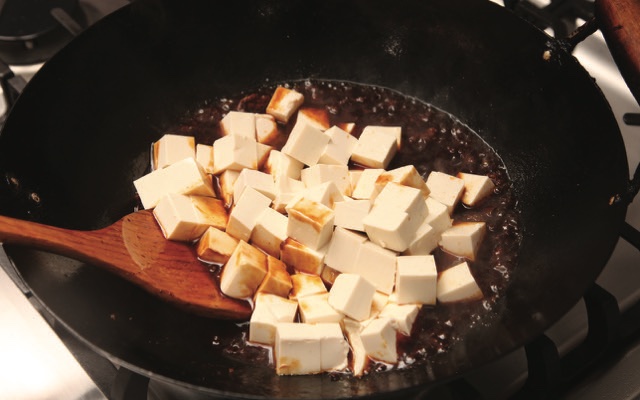
With seafood, choose shrimp and hard-shelled clams over flaky white fish. Tofu should be medium or firm. (If you have time, you can place the entire brick of tofu under a weighted dish to press out moisture before cubing it.)
Some stir fries use ground meat. More commonly pork, chicken, or beef are cut into bite-sized strips. Of these meats, pork is the densest, exuding the least amount of moisture. But you can make a good stir fry with any meat—even lamb, a stellar one if you take a minute or two to prep it.
Velveting
Velveting is a quick and easy prep technique in which morsels of meat are coated with a thin paste made of cornstarch, Shaoxing wine, and a tiny amount of baking soda. The baking soda is said to tenderize proteins. More importantly, I think, the “crust” creates a barrier that prevents moisture from the protein from leeching into the oil. As much as possible, maintain that sizzle.
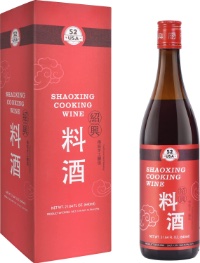
Shaoxing Cooking Wine
Sauces, condiments and seasonings
Here’s is a short list of basic condiments. You’ll find lots more in Kenji López-Alt’s 2022 cookbook The Wok (and in my somewhat out-of-control fridge and cabinets).
- Shaoxing wine: Julia Child said never to cook with wine you wouldn’t drink, but with Chinese cooking wine you can.
- Dark soy sauce: More viscous and flavor-intense than regular soy sauce, a little adds a lot in color and taste.
- Oyster sauce: Oyster extracts thickened with cornstarch and tempered with caramelized sugar add umami and a nice gloss.
- Hoisin sauce: A thick, sweet and fragrant fermented soybean sauce that’s used in both stir fries and dipping sauces.
- Chinese or Japanese rice vinegar: Seasoned (sweetened), plain, or both.
- Chili garlic sauce, chili oil: Taste to gauge your tolerance for heat.
- Fish sauce/nam pla: More Southeast Asian than Chinese, fish sauce adds depth and umami that “dirties up” (my term, and a good thing) the taste of stir fries.
- Star anise and Sichuan pepper: Whole spices last practically forever.
- Toasted sesame oil. Add this smoky, nutty oil judiciously near the end of cooking or just before serving.
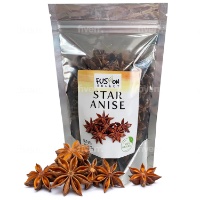
Dried Star Anise
Order of events and technique
I can’t give you wisdom from the Chinese grandmother I never had. But from lots of reading and cooking with friends who did – here are a few bottom-line tips.
Use a wok. (See Part 1)
Heat it until you begin to see wisps of smoke. This way no moisture trapped in the metal’s miniscule fissures will mix with the oil when you add it.
Oil should be at room temperature. Add just a couple of tablespoons to the bottom of the wok and heat the oil almost to its smoking point. Drop in a single ingredient. If it sizzles, you’re good to go.
Most recipes will give tell you when to add each ingredient. Often proteins go in first, then aromatics. Sometimes the other way around. I often stir fry proteins first – when the oil is hottest and purest, then remove them from the wok – to be added again later. Through experimentation, you can decide what works best for you or a particular dish.
Sauces and slurries are usually added once foods have caramelized, i.e., when they’re cooked but still crisp.
With any technique or skill, if you understand the “why,” you can improvise and have fun.
Here’s a new favorite of mine: relatively simple recipe for mapo tofu, from The Wok, by New York Times columnist and Serious Eats Culinary Consultant Kenji López-Alt. Kenji describes this Sichuan dish, as “simple, soul-satisfying fare.” Once ingredients are prepped and ready to go, he points out, “the recipe takes all of 10 minutes at the stove.”

Mapo Tofu
Photos and recipes excerpted from The Wok: Recipes and Techniques. Copyright (c) 2022 by J. Kenji López-Alt. Used with permission of the publisher, W. W. Norton & Company, Inc. All rights reserved.
J. Kenji López-Alt, from the book:
This is it. My favorite dish in the world and the grandmother of Sichuan cuisine. Translated literally as “pockmarked grandmother’s tofu,” its totally apocryphal origin story is identical to a half dozen other food origin stories: it starts with hungry crowds and a cook with few ingredients but plenty of creativity. The result is an inexpensive stew that uses simple ingredients—soft tofu, ground meat (traditionally beef, but frequently pork), fermented chile bean paste, a handful of Sichuan peppercorns, and plenty of red-hot chile oil—to create simple, soul-satisfying fare.
Yield
Serves 4
Active Time
20 minutes
Total Time
20 minutes
Ingredients
- 1 tablespoon (8 g) red Sichuan peppercorns
- 2 tablespoons (30 ml) peanut, rice bran, or other neutral oil
- 1 teaspoon (3 g) cornstarch
- 1 tablespoon (15 ml) cold water
- 4 ounces (120 g) ground beef or pork
- 2 teaspoons (5 g) minced garlic (about 2 medium cloves)
- 2 teaspoons (5 g) minced fresh ginger (about ½-inch segment)
- 2 tablespoons (30 g) fermented chili bean paste (doubanjiang)
- 2 tablespoons (30 ml) Shaoxing wine
- 1 teaspoon (5 ml) dark soy sauce
- 2 teaspoons (10 ml) light soy sauce
- ¼ cup (60 ml) homemade or store-bought, low-sodium chicken stock or water
- 1½ pounds medium to firm silken tofu, cut into ½-inch cubes
- ¼ cup (60 ml) homemade or store-bought chili oil
- 3 scallions, sliced
- Steamed rice, for serving
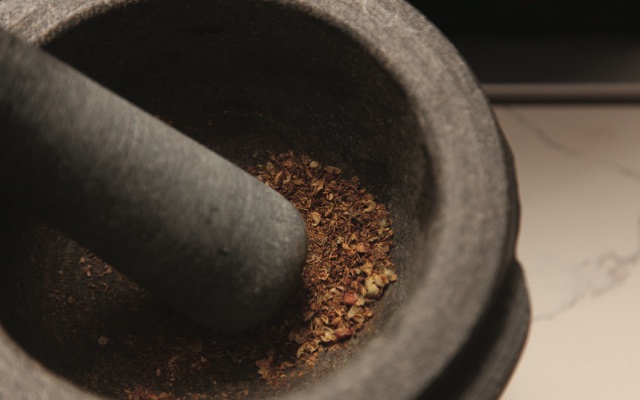
- Heat half of the Sichuan peppercorns in a large wok over high heat until lightly smoking. Transfer to a mortar and pestle. Pound until finely ground and set aside.
- Add the remaining Sichuan peppercorns and the oil to the wok. Heat over medium-high heat until lightly sizzling, about 1½ minutes. Remove the peppercorns with a spider and discard, leaving the oil in the pan.
- Combine the cornstarch and cold water in a small bowl and mix with a fork until homogenous. Set aside.
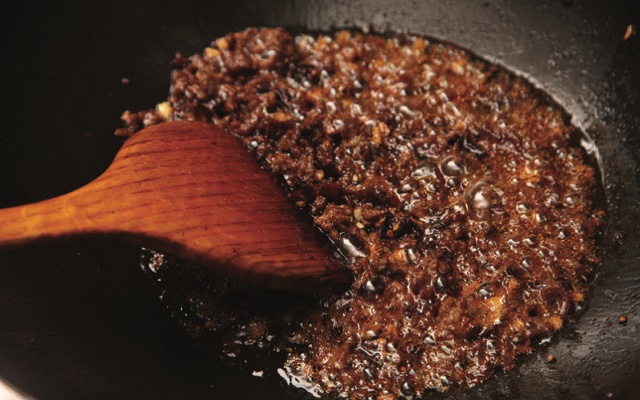
- Heat the oil left in the wok over high heat until smoking. Add the beef and cook, stirring constantly for 1 minute. Add the garlic and ginger and cook until fragrant, about 15 seconds. Add the chili bean paste and cook until the oil starts to turn red, about 30 seconds. Add the wine, soy sauce, and chicken stock and bring to a boil. Pour in the cornstarch mixture and cook for 30 seconds, until thickened. Add the tofu and carefully fold it in, being careful not to break it up too much. Fold in the chili oil and half of the scallions and simmer for 30 seconds longer. Transfer immediately to a serving bowl and sprinkle with the remaining scallions and the toasted ground Sichuan pepper. Serve immediately with steamed rice.
Our editors have independently identified these products as something our readers may like. As an Amazon Associate Woman Around Town earns from qualifying purchases. Thank you for supporting Woman Around Town.