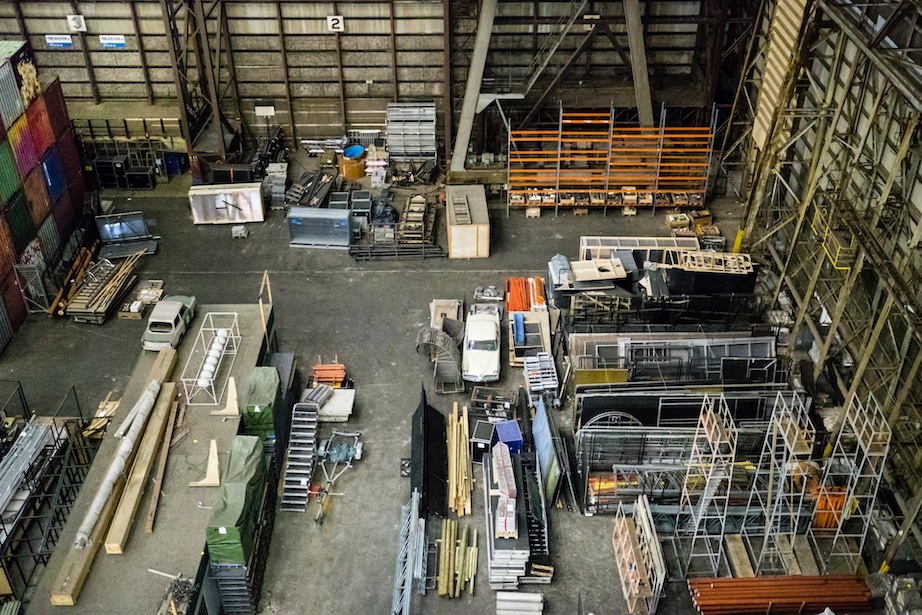
The modern world faces a pressing challenge: balancing economic growth with environmental responsibility. As climate concerns escalate, businesses and consumers alike are seeking ways to reduce their ecological footprint. One of the most effective solutions lies in eco-friendly product manufacturing, a sector that prioritizes sustainability without compromising quality or innovation. By adopting sustainable production methods, companies can reduce waste, conserve energy, and create products that support a greener economy.
This article explores the significance of eco-friendly product manufacturing, its benefits for businesses and consumers, and the strategies that companies can implement to promote sustainability.
Sustainable Choices in Manufacturing
Sustainable manufacturing revolves around minimizing environmental impact at every stage of production. This involves responsible sourcing of raw materials, energy-efficient production techniques, and reduced waste generation. Many companies are now shifting towards renewable energy sources to power their manufacturing facilities, significantly lowering their carbon emissions.
One major advancement is the use of biodegradable or recycled materials. By reducing reliance on virgin resources, manufacturers help conserve natural ecosystems and lower pollution levels. Additionally, implementing circular economy principles—where products are designed to be reused, repaired, or recycled—ensures long-term sustainability.
Incorporating ethical labor practices and maintaining transparent supply chains further enhance the credibility of sustainable manufacturers. Consumers are increasingly drawn to businesses that prioritize fair wages, safe working conditions, and minimal environmental impact.
The Rise of Sustainable Consumer Goods
With growing awareness of environmental issues, consumers are actively seeking sustainable alternatives to conventional products. Many companies have recognized this demand and have started integrating eco-friendly options into their product lines.
With Melaleuca products eco-friendly options are always available. This is because Frank VanderSloot founded the company on the premise of promoting wellness amongst people and providing sustainable alternatives without sacrificing performance or affordability.
By offering greener choices, companies encourage consumers to adopt a more environmentally responsible lifestyle.
Consumer-driven demand has propelled industries to innovate, leading to biodegradable packaging, toxin-free personal care items, and ethically sourced ingredients. As sustainability becomes a priority, businesses that fail to adapt risk falling behind in a competitive market.
Reducing Carbon Footprint in Production
Eco-friendly manufacturing places a strong emphasis on reducing carbon emissions. Traditional production methods often rely on fossil fuels, leading to excessive greenhouse gas emissions. To combat this, manufacturers are investing in alternative energy sources such as solar, wind, and hydropower.
Energy-efficient machinery and optimized production processes also contribute to reduced carbon footprints. For instance, factories using automation and smart technology can streamline operations, minimizing energy waste. Additionally, carbon offsetting initiatives—such as reforestation projects—help counterbalance emissions generated during production.
Beyond energy consumption, sustainable manufacturers also focus on reducing transportation emissions. Sourcing raw materials locally and implementing efficient logistics strategies help lower fuel consumption and environmental impact.
Minimizing Waste Through Circular Economy Practices
Waste reduction is a cornerstone of eco-friendly manufacturing. Traditional production methods generate significant waste, much of which ends up in landfills or pollutes natural ecosystems. By implementing circular economy practices, manufacturers can minimize waste and promote sustainability.
A circular economy focuses on designing products with longevity in mind. This includes using durable materials, offering repair services, and creating take-back programs for recycling. Many companies have introduced zero-waste production models, where by-products are repurposed rather than discarded.
For example, textile manufacturers are exploring fabric recycling initiatives, while electronics companies are designing modular gadgets that can be easily upgraded or repaired instead of replaced. These efforts reduce waste and conserve valuable resources.
Water Conservation in Manufacturing
Water scarcity is a growing global concern, making conservation efforts crucial in manufacturing. Industries that require large amounts of water, such as textiles and food processing, are implementing measures to reduce consumption and prevent pollution.
Innovative water recycling systems allow manufacturers to reuse water multiple times before discharge. Additionally, adopting water-efficient processes—such as dry dyeing techniques in textiles—significantly cuts down on water usage.
Ensuring that wastewater is properly treated before being released into the environment also prevents contamination of natural water sources. Sustainable manufacturers invest in filtration and purification technologies to mitigate their impact on local ecosystems.
The Role of Government and Regulations
Governments worldwide are introducing regulations to encourage sustainable manufacturing. Environmental policies, tax incentives, and carbon offset schemes support businesses that adopt eco-friendly practices.
Regulatory bodies set guidelines for emissions, waste disposal, and resource usage, ensuring industries meet environmental standards. Companies that comply not only contribute to a healthier planet but also avoid penalties and reputational damage.
Grants and subsidies further incentivize businesses to invest in sustainable technologies. Research funding for eco-friendly innovations continues to drive progress in the manufacturing sector, making green solutions more accessible.
The Economic Benefits of Sustainable Manufacturing
Sustainable manufacturing is not just beneficial for the environment—it also offers significant economic advantages. Companies that prioritize sustainability often experience reduced operational costs due to energy efficiency, waste reduction, and resource conservation.
Consumer loyalty is another key benefit. As more individuals prioritize ethical consumption, businesses with strong environmental commitments attract a dedicated customer base. Sustainable branding enhances reputation, fostering trust and long-term success.
Furthermore, investment in sustainable practices future-proofs businesses against regulatory changes. As environmental laws become stricter, early adoption of green technologies ensures compliance and prevents costly adjustments later on.
The Future of Eco-Friendly Manufacturing
As technology advances, the future of eco-friendly manufacturing looks promising. Emerging innovations such as biodegradable alternatives to plastics, carbon-neutral production techniques, and AI-driven sustainability solutions continue to reshape the industry.
Companies investing in research and development are discovering new ways to enhance efficiency while reducing environmental impact. Collaboration between industries, governments, and consumers will be essential in driving sustainable progress.
Education and awareness also play a crucial role. By informing consumers about the benefits of eco-friendly products, businesses can encourage widespread adoption of sustainable alternatives.
All in all, eco-friendly product manufacturing is a fundamental step towards a greener economy. By prioritizing sustainable materials, energy-efficient production methods, and waste reduction, businesses can significantly reduce their environmental impact. Consumers play a crucial role in this transition, as demand for sustainable products drives industry-wide change.
Governments, businesses, and individuals must work together to support eco-friendly innovations and regulations. With continued progress in sustainable manufacturing, a greener, more sustainable economy is not just an ideal—it is an achievable reality.
Photo by xyzcharlize on Unsplash
Contributed posts are advertisements written by third parties who have paid Woman Around Town for publication.