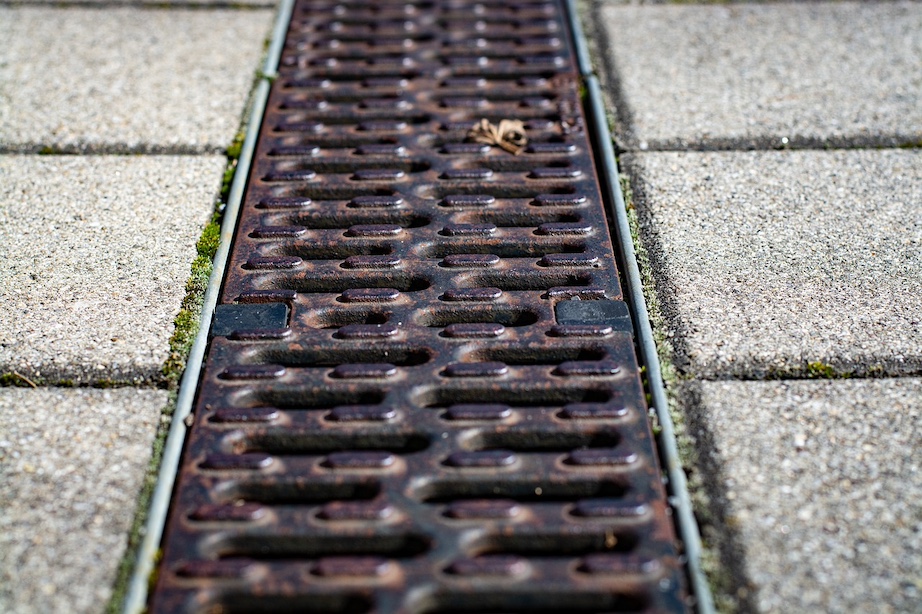
Clogged drains can transform even a light rain into flooded streets and swamped properties. If stormwater isn’t flowing freely through your drains, it may be time to call a professional drain cleaning service. Thorough professional cleaning removes years of compacted silt, organics, and grime that gradually impede flow. Read on for signs your storm drains need attention and it is time to call clearing service for stormwater drains, and how pros like The Relining Company can restore full function.
Watch for Standing Water After Rainfalls
After rainstorms, check for any pools of standing water that take over 24 hours to drain. Lingering surface water is a red flag that your underground storm drains have blockages.
Clogs force water to back up out of drains and pool on streets, sidewalks, and yards instead of absorbing properly. These areas become hazardously slick mudpits after rains.
Don’t dismiss standing water as a minor nuisance. It demonstrates drainage issues that will only worsen without cleaning.
Beware Visible Evidence of Blockages
Sometimes clogged drains reveal themselves through visible symptoms:
- Leaves, litter, and debris accumulating around drain openings
- Soil, sand, and gravel washing out of drains after hard rain
- Low flow or completely dry drains long after rainfall ends
- Sewage odors wafting from drain vents
Any of these point to partial or complete below-ground obstructions. Don’t wait for total failure before addressing them.
Address Slow-Draining Sections
Keep an eye out for sections of pavement that puddle water far longer after storms than surrounding areas. This selective pooling indicates specific drains are nearly or completely clogged underground. Targeted drain problems allow early intervention before lack of drainage impacts wider areas. Always correct slowed sections proactively. Think about problem drains you’ve noticed over recent years. Don’t let deteriorating drainage drag on indefinitely.
Recognize High-Risk Areas
Some drain locations are hotspots for recurrent clogging from debris, roots, grease, and sediment. Familiarize yourself with any high-risk zones on your property or nearby streets.
Common culprit areas include:
- Drains along forested sections prone to leaf litter
- Older drains with damaged or cracked pipes
- Drains receiving stormwater from parking lots and garages
- Drains positioned downhill from construction zones
Proactive professional cleaning for known problem drains prevents severe backups.
Trust Your Nose
When passing by storm drains, give them a sniff test. Clean drains emit no odor. Rancid or sulfurous smells signal there’s debris decomposition and stagnant water festering underground.
Trust your nose – bad odors mean unhealthy conditions are brewing in the drainage system. Don’t dismiss them as “normal” storm drain smells. Debris and sewage shouldn’t accumulate.
Optimize Drainage Before the Rains Come
Don’t wait for total failures or extreme flooding. At the first signs of drainage trouble, call drain specialists to map your system and clean it comprehensively. Thorough professional cleaning removes years of compacted silt, organics, and grime that gradually impede flow.
Conclusion
Restoring pipes to full capacity prevents future headaches. With active storm seasons, stay vigilant to keep your drains clear and your property protected from the elements.
Contributed posts are advertisements written by third parties who have paid Woman Around Town for publication.